The DYN-MARS project is rethinking how on-board systems and air traffic control can manage descents more efficiently. By introducing enhanced avionics and new operational concepts, it aims to make European skies more flexible, predictable, and environmentally responsible - all while maintaining the already high safety standards of aviation. We spoke with Dorothée De Villèle, Technical Manager of DYN-MARS and flight management system (FMS) product architect at Thales, to learn more.
Q: Dorothée, could you tell us a bit about yourself, Thales, and your role in the project?
A: I’m the Technical Manager of the DYN-MARS project and FMS Product Architect and Owner at Thales. Our team leads the avionics development within DYN-MARS, focusing on new functionalities in the Flight Management System that help pilots fly more efficient and environmentally optimised approaches.
Q: What is DYN-MARS addressing, and how do novel avionics contribute?
A: DYN-MARS – Dynamic Management of Aircraft Configuration and Route Structures – is about making air traffic management more dynamic and adaptable. Airspace today must handle fluctuating traffic levels, weather changes, and different operational demands. The project aims to make flight operations more efficient and predictable, reducing delays while supporting airport capacity and maintaining Europe’s high safety standards.
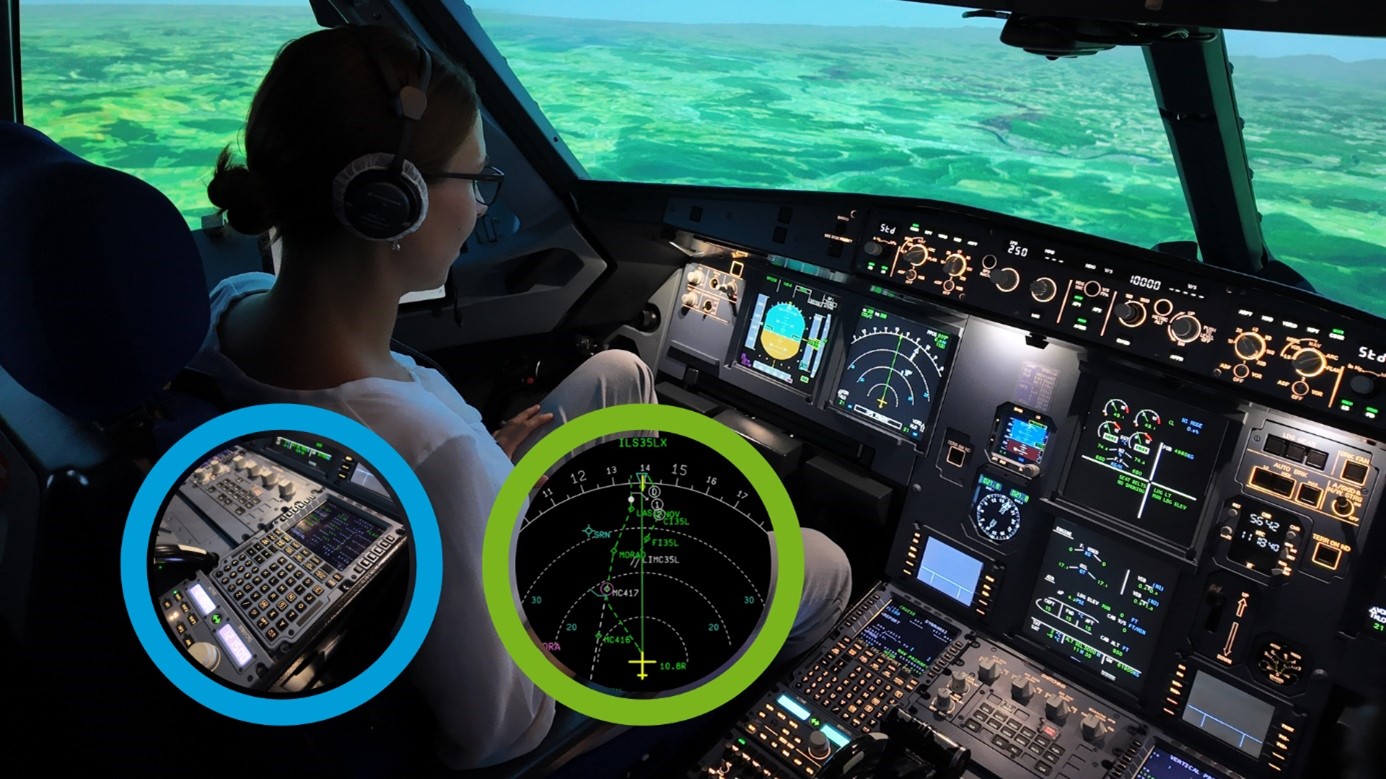
From the cockpit perspective, DYN-MARS develops advanced FMS functions that assist with energy management and optimised descents. One focus area is the continuous descent approach (CDA), where the aircraft maintains low thrust and avoids unnecessary use of speed brakes or early landing gear extension. The new avionics will provide pilots with precise guidance on when to extend flaps and landing gear, helping to reduce noise and fuel burn while ensuring a smooth and controlled descent.
Integrating these new features into the existing air traffic management ecosystem is not simple. We’re working closely with our partners and conducting extensive simulations to ensure full compatibility and smooth operation between on-board systems and ATC procedures.
Q: How do you go from concept to testing in such a complex development process?
A: It all starts with collaboration. We held several workshops across the consortium to identify operational needs, building on the results of the earlier DYNCAT project. These discussions helped align the requirements from pilots, air traffic controllers, and regulators, leading to detailed technical specifications.
Once the requirements were clear, our engineers developed and integrated new software components into the Thales FMS. Each feature is tested extensively to ensure that it meets its objectives.
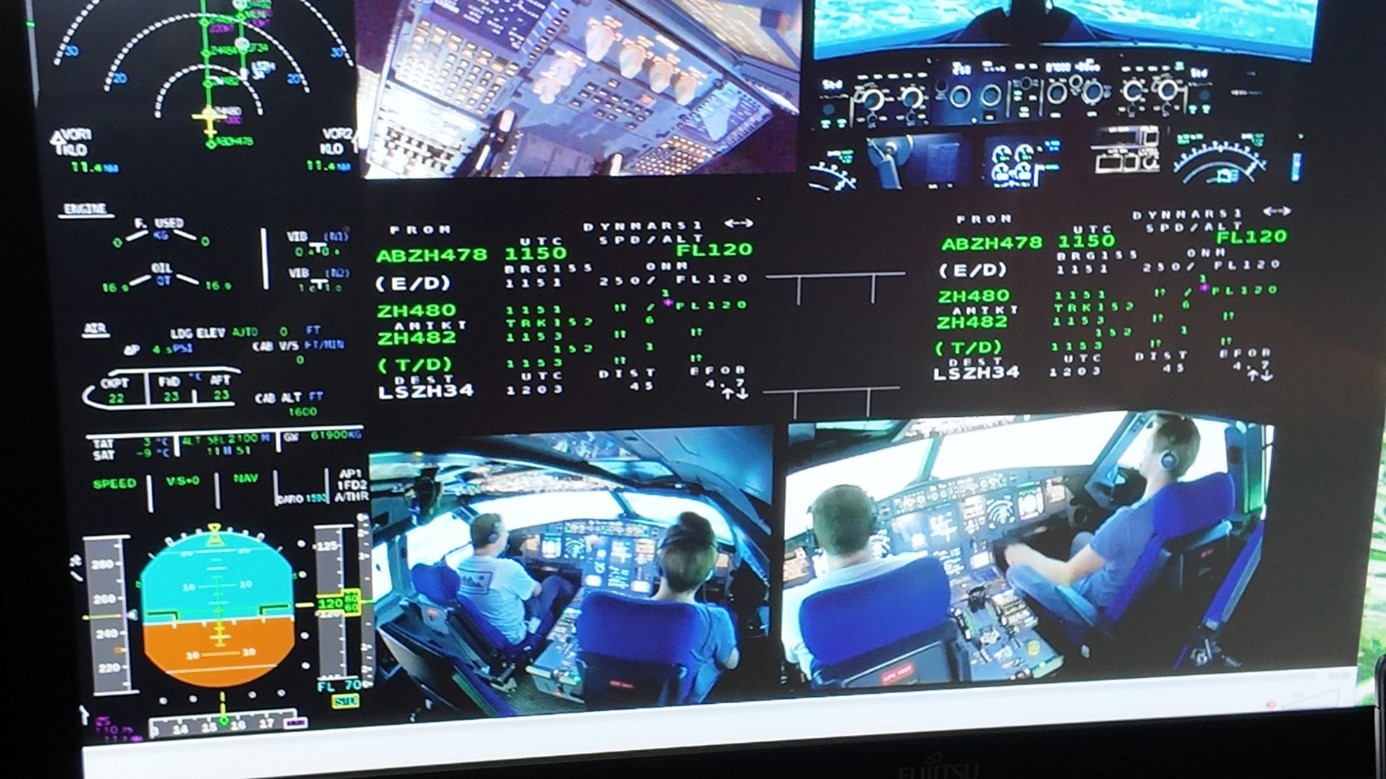
A major milestone for DYN-MARS is the integration of the Thales FMS prototype into DLR’s AVES full-flight simulator. We’ve worked very closely with DLR to coordinate development, integration, and delivery so that everything would be ready for the operational evaluation phase, which began in July 2025. Achieving that in less than two years since the project’s start in September 2023 is a real success for the consortium.
The evaluations with airline crews will provide valuable feedback on how the system performs in realistic scenarios.
Q: Do these innovations require updates to current aviation rules or procedures?
A: Introducing new avionics into such a tightly regulated environment is always a challenge. Air traffic management relies on well-established interfaces and procedures, so changes must be carefully coordinated to ensure compatibility and to maintain existing safety standards.
In DYN-MARS, we’re addressing this through strong collaboration with stakeholders and iterative testing in realistic environments. The results will help inform future regulatory frameworks and facilitate the gradual adoption of dynamic air traffic management concepts across Europe.
Q: What benefits will pilots and aircraft operators see from these developments?
A: For pilots, the enhanced FMS offers clearer, more timely guidance to manage aircraft energy optimally, especially during descent and approach. It reduces workload and provides a more predictable operation. For aircraft operators, the benefits are improved fuel efficiency and reduced environmental impact. The new system also supports greater operational flexibility - allowing smoother trajectories when possible, while maintaining capacity during periods of high traffic.
Q: How does DYN-MARS build on previous SESAR projects, and what comes next?
A: DYN-MARS builds directly on the DYNCAT (Dynamic Configuration Adjustment in TMA) project, which ran from 2020 to 2022. DYNCAT showed how environmental factors can be considered in four-dimensional trajectory optimisation, leading to measurable benefits in noise and fuel reduction.
With DYN-MARS, we’re taking those findings further, demonstrating how such optimisations can be managed dynamically and collaboratively between the cockpit and air traffic control.
The insights from our evaluations will guide future developments and help shape the next generation of flight operations - more efficient, predictable, and environmentally responsible, while maintaining the high safety standards that define European aviation.
In short, DYN-MARS is paving the way for a more dynamic air traffic management system, where pilots and controllers can work together seamlessly through smarter avionics to make every descent smoother, quieter, and more efficient.
More about DYN-MARS