Air traffic management (ATM) is a vital part of air transport and aviation. However, ATM is fragmented in Europe. A promising way to improve air traffic operations is through the use of 4D trajectory management (TM). The EU-funded PJ18-W2 4D Skyways project validated SESAR Solutions for trajectory-based operations (TBO) in the tactical execution phase for en-route and TMA operations. The project performed twenty-one validation exercises, delivered five data packs, and progressed the maturity level of all its solutions.

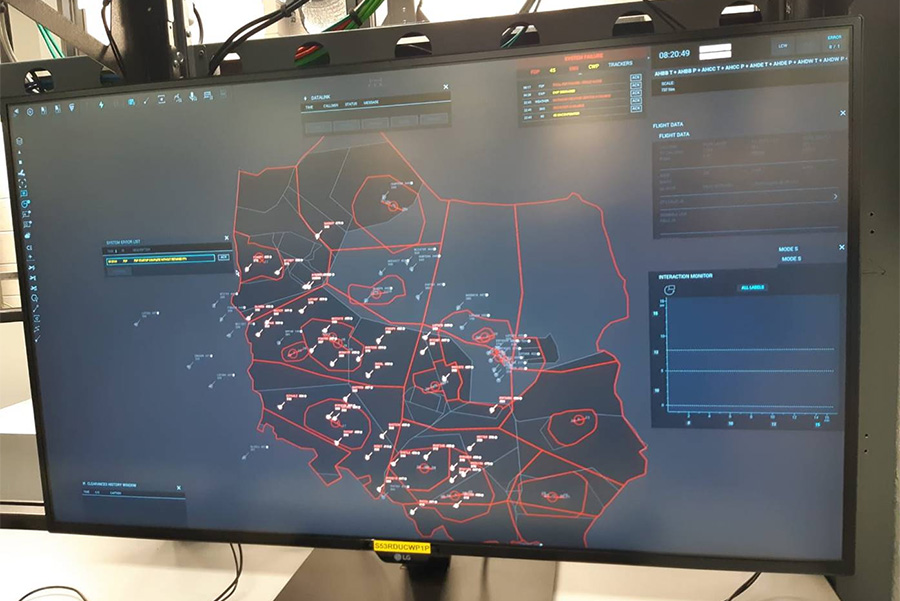
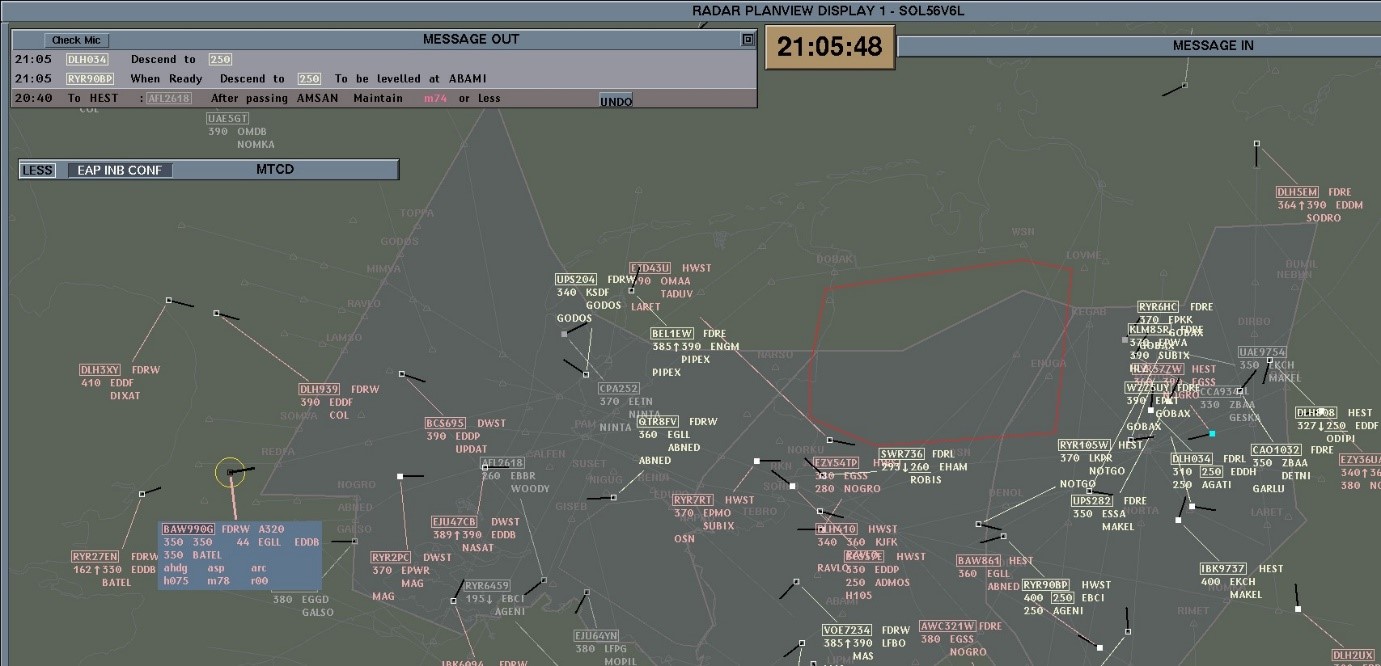
  • Validating improvements to the ground trajectory prediction and separation management/ monitoring tools by using aircraft trajectory data, more precise weather data, improved algorithms and machine learning techniques. This decreases trajectory uncertainty and thus reduces ATCO workload and increase airspace capacity (#53A and #53B).
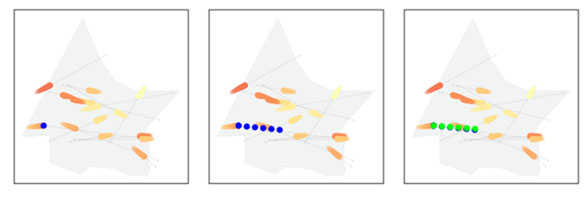
  • Validating complex Controller-Pilot Data Link Communications (CPDLC) clearances sent in advance of the horizontal, vertical, and longitudinal trajectory change to enhance the synchronisation of the airborne trajectory with the ground trajectory. Automation keeps the flight crew and the ATCO workload to a low level. It additionally decreases trajectory uncertainty and increases airspace capacity (#56).
  • Exploring the augmented automation capabilities on the aircraft through a new concept, which should improve the situation awareness of the aircrew and allow longer-term anticipation. Investigating how the benefits and impact of increased levels of automation in ground ATC tasks could be measured (#57).
  • Defining a trajectory common service as an alternative architecture for trajectory exchanges between ground ATM actors compared to the current European ATM fragmented approach to improve its cost effectiveness (#88).
  • Publishing a Trajectory Management Document describes the integrated picture for trajectory management developments (including Flight & Flow Information for a Collaborative Environment - FF-ICE) and outcomes. A key aim was to provide an accessible and readable document, suitable for stakeholders that might not be familiar with typical SESAR documents.

The PJ18-W2 4D Skyway project researched trajectory management (TM) solutions in support of the roll-out of trajectory-based operations (TBO). Specifically the project worked on the following:

  • improvements to the ground trajectory prediction and separation management/ monitoring tools by using aircraft trajectory data, more precise meteo data, improved algorithms and machine learning techniques. This decreases trajectory uncertainty and thus reduces ATCO workload and increase airspace capacity.
  • complex CPDLC clearances sent in advance of the horizontal, vertical and longitudinal trajectory change to enhance the synchronisation of the airborne trajectory with the ground trajectory. Automation keeps the flight crew and the ATCO workload to a low level. It additionally decreases trajectory uncertainty and increase airspace capacity.
  • ground-ground and air-ground TM exchanges between the European ATM actors by consolidating the different initiatives and bridging the gaps. Driving the current and the future TM research and the ICAO FF-ICE discussions. 
  • Define a trajectory common service as an alternative architecture for Trajectory exchanges between ground ATM actors compared to the current European ATM fragmented approach to improve its cost effectiveness.

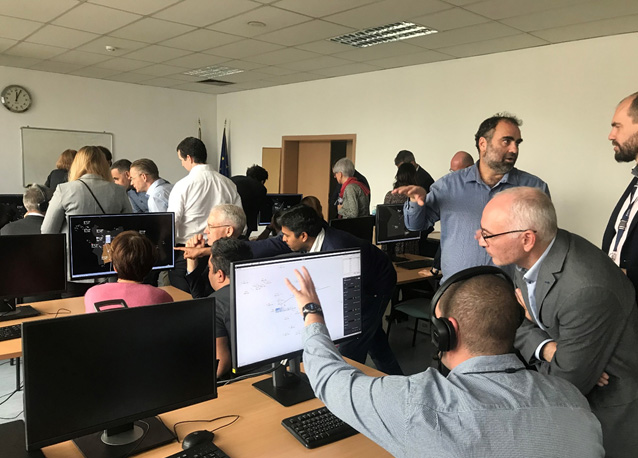
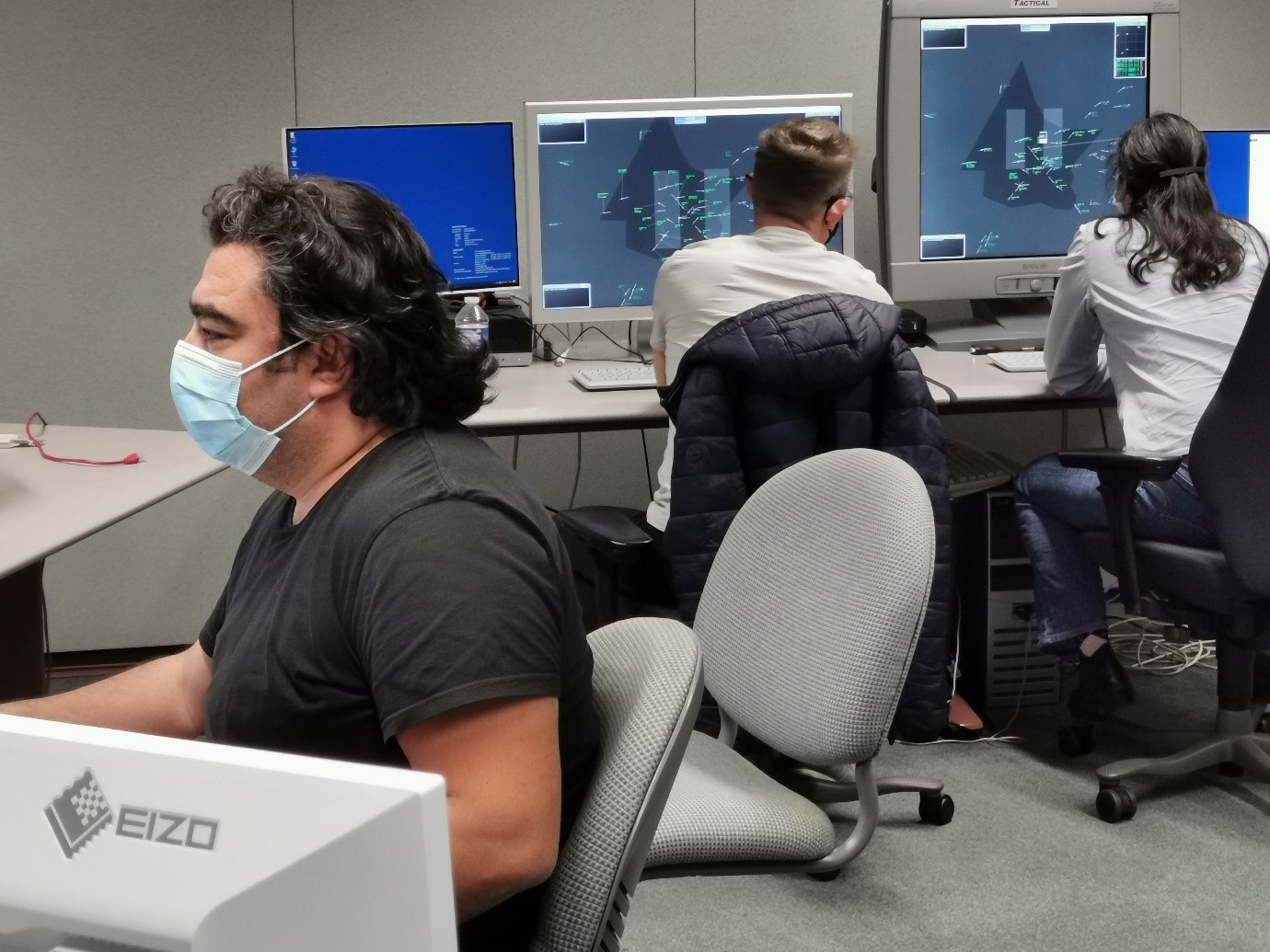
PJ18-W2 worked on the definition and validation of operational TM solutions using prototypes and the expertise of European ANSPs, ground and airborne industries, research centres, airspace users and EUROCONTROL.
VIDEOS

This project has received funding from the SESAR Joint Undertaking under the European Union's Horizon 2020 research and innovation programme under grant agreement No: 872320

European Union
4D Skyways - Improving trajectory management for European air transport (Wave 2) 4D